

Understanding Weekend Trading Opportunities and Risks
📈Explore weekend trading in South Africa and beyond—assets, benefits, risks, plus tips and tech that open markets after-hours for savvy investors and traders.
Edited By
Elizabeth Carter
Trading vie refers to the competition among traders aiming to profit from price differences in financial markets. Simply put, it’s about beating others to capitalize on opportunities before they vanish. This concept shapes everything from stock trading to high-frequency trading.
At its core, trading vie involves understanding how supply and demand affect pricing across various assets — from stocks and commodities to currencies. Traders constantly analyze market movements, news, and technical indicators to predict price changes. The faster and sharper your insight, the better your shot at winning the trade.
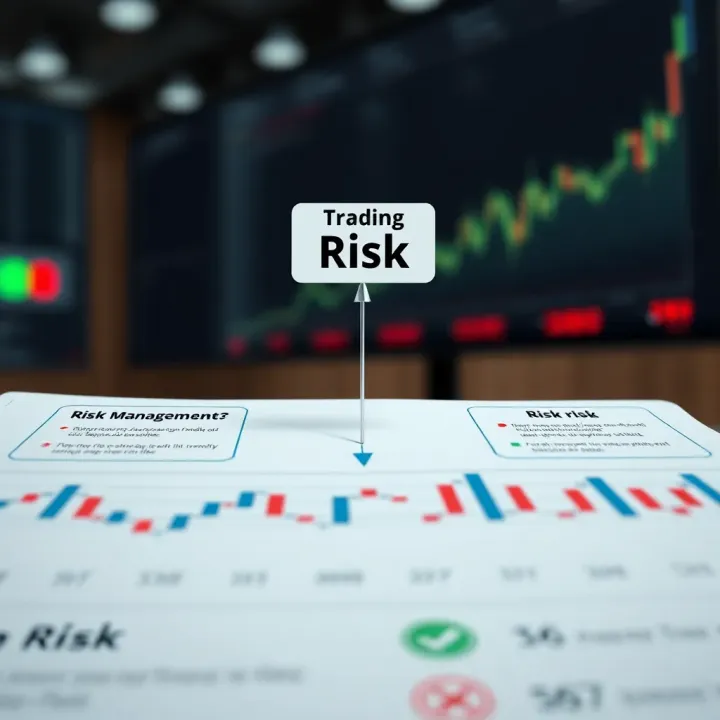
Here’s a quick breakdown of key elements:
Market Efficiency: Trading vie thrives in markets where information spreads quickly, and prices adjust fast. This means profits often come down to tiny time advantages or deeper strategy rather than just luck.
Liquidity Matters: High liquidity markets like the S&P 500 are hot spots for trading vie since large volumes and fast transactions allow more frequent win chances.
Technology’s Role: Advanced algorithms and low-latency connections give certain players an edge in the trading competition. Using trading platforms like Interactive Brokers or TD Ameritrade with real-time data is crucial.
Risk and Reward: Trading vie is high-stakes. The upside can be substantial, but missteps lead to losses quickly. Managing risk through stop-loss orders and position sizing is non-negotiable.
Trading vie isn’t just about speed; it’s also about having a solid edge—whether through better research, timing, or strategy—that others lack.
If you’re looking to get started or improve your trading game, focus on:
Building a solid foundation in market analysis.
Staying updated with market-moving news.
Practicing disciplined risk management.
Experimenting with strategies in demo accounts before risking real money.
Ultimately, trading vie demands clear focus, quick decision-making, and a willingness to learn from every trade. Understanding these basics is your first step toward navigating a competitive trading environment with confidence.
Understanding trading vie is key to grasping how certain trading behaviors influence financial markets. Simply put, trading vie refers to the competition among market participants striving to execute orders or gain favorable positions. Knowing its role helps traders anticipate market moves and adjust strategies accordingly.
The term "trading vie" traces back to the straightforward idea of vying or competing, adapted to financial markets where buyers and sellers constantly compete. This competition drives liquidity and price discovery, acting as the engine behind daily market activity. Think of it as runners in a race, where every participant aims to cross the finish line first — here, the finish line is a better deal or advantageous trade.
Trading vie shows up notably in high-frequency trading where milliseconds matter for order execution, and in auction-based markets where firms aggressively place bids or offers. For instance, during a busy trading session, multiple traders might race to buy shares of a hot tech stock, pushing the price up quickly. In such cases, understanding trading vie allows you to spot when markets might be moving due to these bidding wars rather than fundamental value shifts.
At its core, trading vie directly affects price changes. When many buyers compete for limited shares, prices tend to climb, sometimes sharply. Conversely, if sellers outnumber buyers, prices fall. Consider a new product launch announcement igniting trader interest — the surge in buy orders driven by vie often causes rapid price jumps before settling.
Trading vie also tweaks supply and demand balance. If traders aggressively vie on the buy side, visible demand spikes may encourage sellers to offload positions, shifting supply upward temporarily. These dynamic push-pull forces mean supply and demand curves are continually reshaped by trading competition. It’s why markets often experience bursts of volatility as participants react to each other's moves.
The bottom line is that trading vie plays a subtle but powerful role shaping how stocks, bonds, and other assets move, often more than raw economic data alone.
Understanding this helps you interpret price swings as signals of underlying competition among traders, not just changes in fundamental value. This insight can be priceless for timing entries and exits in fast-moving markets.
Every trader looking to enter the field of trading vie needs to have a solid grip on the core strategies that drive market moves. These strategies aren't just theoretical; they're tools that help you make smarter decisions, balance risks, and grab opportunities as they appear. Focusing on these keys lets you tailor your approach to fit specific market conditions and your personal goals.
Speculative trading in trading vie revolves around predicting price movements to profit from short-term changes. It’s similar to betting on a horse race—you’re placing your stake on what you believe will happen next. For example, a trader might buy a stock expected to spike after an earnings report. This method can yield quick profits but also carries a higher risk of loss if predictions don’t pan out. Traders often use technical analysis, chart patterns, and market sentiment to shape these bets.
Hedging is like an insurance policy for your trades. Instead of betting on price movements, traders use hedging to reduce potential losses by taking offsetting positions. Imagine you own 1,000 shares of a volatile stock; to protect yourself, you might buy put options to sell those shares at a set price. Even if the stock dips dramatically, your losses are limited. Hedging is essential, especially in markets prone to sudden swings, helping traders stay in the game longer without getting wiped out.
Modern trading vie wouldn’t be possible without advanced tech and software. Platforms like Thinkorswim and MetaTrader offer real-time data, automated trading, and customizable charts that make your strategies easier to execute. They help identify entry and exit points faster than manual methods ever could. Also, algorithmic trading software lets some traders set rules that execute trades automatically, cutting down reaction times from seconds to milliseconds, which can matter a lot in fast-moving markets.
Choosing the right brokerage can make or break your trading vie experience. Top firms like Charles Schwab and Fidelity provide a mix of robust platforms, low commissions, and access to a wide range of instruments such as stocks, options, futures, and forex. Features such as margin accounts, tight spreads, and quality customer service also play a big role. Additionally, some brokers offer educational resources and risk management tools, which are invaluable if you’re newer to this.
The bottom line is, having well-rounded strategies backed by the right tools and brokers sets the foundation for navigating the complexities of trading vie with more confidence and control.
Success in trading vie isn’t just about knowing the right moves; it depends heavily on the market environment and how well traders manage their own behavior and risks. Understanding these factors can help you better navigate trades and improve your outcomes.
Market volatility reflects how much price swings happen over a period. High volatility means prices can jump up or down quickly, which offers both opportunities and risks for traders. For example, during an earnings report season, stocks like Tesla or Apple can experience sharp price movements. Traders who can read these swings might profit, but those caught off guard could see losses.
Liquidity refers to how easily you can buy or sell a financial instrument without causing a big price change. A liquid market—like the forex market for major currency pairs—allows traders to enter or exit positions quickly. In contrast, trading a small-cap stock with low volume often results in slippage or difficulty exiting a position, increasing risk.
Economic data such as employment reports, inflation numbers, and Federal Reserve announcements significantly impact market sentiment and price trends. For instance, the monthly U.S. nonfarm payroll report commonly shakes up stock and currency markets. Traders who anticipate these releases or understand their typical effects can position themselves ahead of the volatility.
Other indicators like GDP growth rates or consumer confidence offer clues about long-term market trends. If consumer spending appears weak, certain sectors like retail might slide, offering shorting opportunities. Keeping tabs on these reports sharpens your strategy and timing.
Trading isn’t just numbers—your psychological state heavily influences decisions. Fear and greed often push traders to react impulsively, leading to premature exits or chasing losing trades. Suppose you held a losing position on Amazon, and panic hits; selling too early might lock in unnecessary losses.
Experienced traders develop discipline by sticking to their plans rather than reacting emotionally. Techniques like journaling trades or practicing mindfulness can help recognize these impulses and keep calm when markets turn jittery.
One practical way to manage risk is setting clear stop-loss and take-profit orders before entering a trade. A stop-loss order limits potential loss by automatically closing a trade if the price moves unfavorably. For example, if you buy crude oil futures at $70 per barrel, a stop-loss at $68 caps your downside to $2 per barrel.
Take-profit orders lock in gains by closing positions at a target price. This prevents the common trap of holding winners too long, only to see profits evaporate. Balancing these levels according to market conditions and your risk appetite ensures you don’t overexpose your portfolio while letting winners run.
Managing market factors alongside your psychological state and clear risk controls forms the backbone of successful trading vie. Awareness and preparation make the difference between luck and consistent results.
Trading vie, like any financial activity, comes with its set of challenges and risks that traders should understand before jumping in. Recognizing these risks not only helps you prepare better but also protects your investments from unexpected shocks. Let’s break down some common pitfalls and regulatory concerns that often trip up both new and seasoned traders.
Market unpredictability plays a big role in how trading vie can turn out. Even with solid research and analysis, sudden news events—like an unexpected Fed announcement or geopolitical tensions—can swing prices wildly, upending your positions in minutes. For example, a trader betting on a steady rise in a tech stock might face sudden drops due to regulatory crackdowns or earnings misses, showing that no strategy is foolproof against the market’s twists.
The practical takeaway here is to always expect volatility and have a flexible plan. Successful traders often adjust or exit their positions quickly when faced with unpredicted market moves, rather than sticking stubbornly to their initial assumptions.
Overexposure and leverage dangers are another big concern. Trading vie often involves margin or borrowed money to increase buying power, but this amplifies both gains and losses. Imagine using 5:1 leverage and the market goes against you by 10%; you’d end up losing 50% of your capital fast. This can lead to margin calls, where brokers demand more funds, potentially forcing a trader to liquidate positions at a loss.
To manage this risk, careful position sizing and strict use of stop-loss orders are essential. Avoid throwing all your eggs in one basket by spreading out risk and never committing more than you can afford to lose.
Understanding legal frameworks is crucial for trading vie. Financial markets are governed by various bodies like the SEC (Securities and Exchange Commission) and CFTC (Commodity Futures Trading Commission), which enforce rules to keep markets fair and transparent. Each type of trading instrument, whether stocks, options, or futures, has specific regulations you must follow.
Ignoring these rules or trading through unregulated platforms can lead to serious legal trouble or lost funds. For instance, trading on offshore exchanges without proper licenses can put your money at risk without legal protection.
Avoiding scams and fraudulent schemes is equally important. The trading world has its share of fraudsters promising guaranteed returns or insider tips. Ponzi schemes and pump-and-dump tactics can sweep away unsuspecting investors’ money in no time.
Watch out for red flags like pressure to deposit more funds quickly, unsolicited offers, or promises that sound too good to be true. Trusted resources and regulatory bodies provide alerts for known scams, so always verify platforms and offers thoroughly before committing money.
Bottom line: Knowing market risks and regulatory rules helps keep your trading on solid ground. Being vigilant and prepared protects you from unnecessary losses and legal hassles.
By recognizing these common challenges and risks in trading vie, you’re better positioned to navigate the financial market’s ups and downs with confidence and caution.
Getting started with trading vie involves more than just opening a trading account—it’s about building a solid foundation through education, practice, and smart choices. This section guides you through practical steps to develop essential skills and select suitable financial instruments, helping you approach trading vie with confidence and clear goals.
Educational resources and courses are your first stop in mastering trading vie. Many platforms offer specialized courses that break down complex trading concepts, strategies, and market analyses into manageable lessons. For example, platforms like Investopedia and Coursera provide beginner-friendly modules on financial markets and trading tactics. These resources not only sharpen your understanding but also help you recognize common pitfalls and market patterns.
Starting with formal education reduces costly mistakes and builds the confidence to navigate trades effectively. Alongside courses, books such as "A Random Walk Down Wall Street" or more trading-specific titles offer valuable practical insights from experienced traders. The key is to focus on materials that explain trading vie in context, not just theory.
Practice accounts and simulations give you a risk-free environment to apply what you've learned. Many brokerages, like TD Ameritrade or E*TRADE, offer demo accounts where you can place mock trades using real-time market data. This hands-on experience is crucial; it helps you test strategies and understand market responses without risking actual money.
Simulators build muscle memory for trading decisions, from order types to managing stop-losses. They also expose you to the emotional side of trading, such as handling losses or unexpected price swings, so you’re less likely to freeze or panic when real money is on the line.
When it comes to stocks, options, futures, and forex, each instrument comes with its own risks and rewards. Stocks represent ownership in companies and are typically less volatile, making them suitable for beginners. Options offer more flexibility but require understanding complex pricing and expiration dates. Futures are contracts to buy or sell assets at a future date and can amplify gains but also losses. Forex trading deals with currency pairs and operates 24/7, adding liquidity but also unique risks like geopolitical impacts.
Picking the right instrument depends on your risk tolerance, trading style, and the time you can dedicate. For instance, if you prefer short-term trading with quick turnarounds, forex or options might fit better. If you’re aiming for long-term growth, stocks and ETFs could be more appropriate.
Matching instruments with trading goals means aligning your chosen tools with what you want to achieve. If your goal is capital preservation, low-volatility instruments like blue-chip stocks may suit you. For aggressive growth, options or futures provide leverage but with higher risk.
Consider how much time you can spend monitoring the market. Day trading futures or forex requires constant attention, while investing in stocks can be less time-intensive. Knowing your appetite for risk and schedule constraints ensures you don’t pick instruments that overwhelm or mismatch your personal situation.
Starting small, educating yourself well, practicing consistently, and choosing the right instruments for your goals will set you up for a smarter, more sustainable experience with trading vie.
📈Explore weekend trading in South Africa and beyond—assets, benefits, risks, plus tips and tech that open markets after-hours for savvy investors and traders.
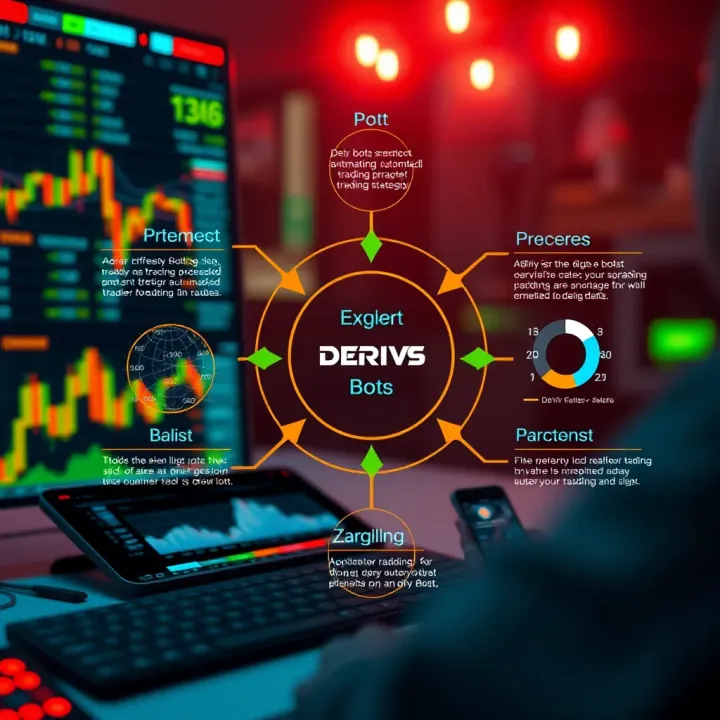
🤖 Learn practical tips to design, optimise & manage risks with Deriv bots in trading. Tailored strategies for South African traders seeking smarter automated trades.
Explore key trading concepts, strategies, and practical tips tailored for South African traders 🇿🇦. From markets to risk management, sharpen your skills today!
📈 Discover practical tips and effective strategies for trading synthetic indices. Learn analysis methods, risk management, and using strategy PDFs with confidence.
Based on 14 reviews