
Understanding Synthetics Trading in South Africa
📊 Understand synthetics trading in South Africa: how synthetic assets work, key platforms, risks, and regulations for smarter investing decisions.
Edited By
Amelia Clarke
Understanding the trading hours of the US30 index, which tracks the Dow Jones Industrial Average, is key for anyone interested in trading or analyzing this market. Unlike individual stocks, the US30 reflects 30 major American companies, so its trading hours align closely with the U.S. stock market but include some unique features.
The main trading session for the US30 happens during the New York Stock Exchange (NYSE) operating hours, which run from 9:30 AM to 4:00 PM Eastern Time (ET). This period is when you’ll see the highest volumes and liquidity, meaning tighter spreads and more opportunities to enter or exit positions efficiently.
Traders often focus on this window since it reflects real-time investor sentiment responding to news, earnings reports, and economic indicators. For example, sudden Federal Reserve announcements typically trigger sharp price movements during these hours.
US30 trading isn’t locked to the official market hours. It also supports extended sessions:
Pre-market: 4:00 AM to 9:30 AM ET
After-hours: 4:00 PM to 8:00 PM ET
These sessions let traders react to overnight news or prepare for the next day’s open. However, keep in mind, liquidity drops sharply outside regular hours, which means wider spreads and more price volatility — it’s a double-edged sword.
Trading during pre-market and after-hours can offer early signals but requires caution due to unpredictable price swings and lower volume.
Several events can change or restrict US30 trading hours:
Holidays: The NYSE observes holidays like Thanksgiving, Christmas, and Independence Day, halting regular trading.
Half-days: Some days (e.g., the day before Thanksgiving) have shortened trading hours, ending at 1:00 PM ET.
Technical issues or regulatory announcements may cause unexpected halts.
Monitoring the calendar and market news outlets like Bloomberg or CNBC can keep you up-to-date.
Knowing when the US30 is actively trading helps you design better strategies. For example, scalpers benefit from the high liquidity during regular hours, while swing traders might watch for trends during extended hours. Timing trades around these windows can impact spreads, order execution, and risk.
In the next parts of this guide, you'll find tips on how to align your trading tactics with these hours and manage risks effectively.
Understanding the trading hours of the US30 index is essential for traders and investors aiming to optimize their market participation. Knowing when the market opens and closes can help strategize entry and exit points effectively, especially in a volatile environment like the Dow Jones Industrial Average (DJIA). For example, traders tend to see heightened activity during the first and last hour of the trading day, which can offer lucrative opportunities but also carries increased risk.
Trading hours also affect liquidity and price movements. Being aware of these time frames means you can avoid low-volume periods, which often lead to unpredictable price swings and wider bid-ask spreads. If you tried to buy or sell contracts during off-hours without this knowledge, you might end up with less favorable prices. This section lays the groundwork by explaining what the US30 index represents and detailing its regular market hours, including the critical time zones to keep in mind when working with this index.
The US30, commonly known as the Dow Jones Industrial Average, tracks the performance of 30 large, publicly-owned companies based in the United States. It acts as a barometer for the overall health of the American economy, featuring household names like Apple, Coca-Cola, and Boeing. Unlike a market-cap weighted index such as the S&P 500, the US30 is price-weighted, which means stocks with higher share prices have a larger impact on the index’s movements.
Because the DJIA covers multiple sectors—from technology to manufacturing—it offers a broad snapshot that’s useful for both day traders and long-term investors. Understanding its trading hours is the first step in tapping into this influential market gauge.
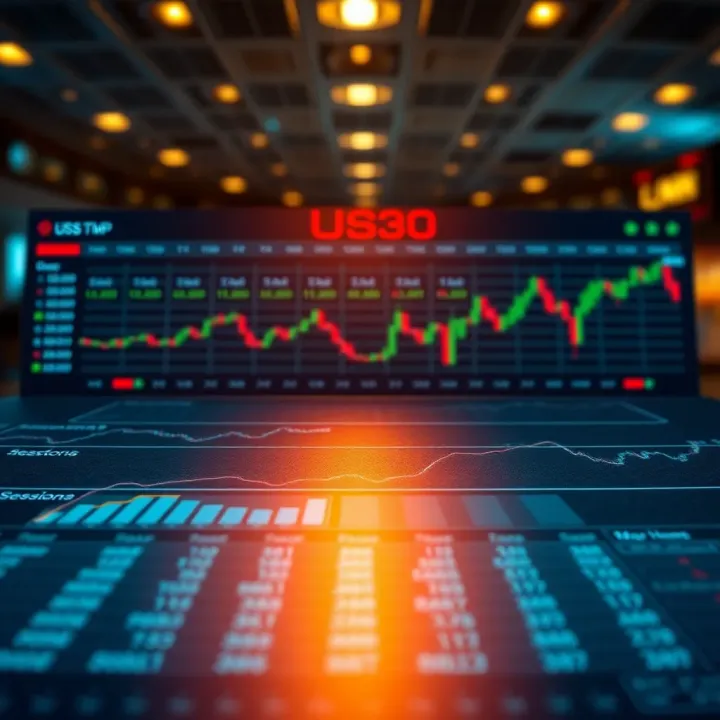
The US30 officially trades on the New York Stock Exchange (NYSE) and the NASDAQ during regular market hours from 9:30 AM to 4:00 PM Eastern Time (ET). These hours represent the most active trading period and generally have the highest liquidity and narrowest spreads. For instance, the rush at the market open often results in quick price shifts as news and economic reports released before trading kick in.
Knowing these times helps traders plan their sessions around periods of high activity and better price execution. For example, if you’re targeting momentum trades based on daily news, aligning your schedule with these hours maximizes your chances of catching strong moves.
While the US30 market operates on Eastern Time, traders across the globe need to adjust their clocks accordingly. A trader in California must remember that the US30 opens at 6:30 AM Pacific Time. Similarly, for international investors, the trading day starts in the late afternoon or evening depending on their local time zone.
Tailoring your trading plan around these time differences ensures you’re active when the market is liquid. Missing the open or closing auctions in your time zone can mean lost chances because these periods often contain spikes in volume and volatility. Tools like world clocks or market timers can help manage this aspect efficiently.
Understanding both the trading hours and the time zone differences is key to making smart, timely trades on the US30 and avoiding unnecessary risks or missed opportunities.
Extended trading sessions for the US30 index let traders buy and sell shares outside the regular hours of the New York Stock Exchange (NYSE). These sessions include pre-market and after-hours trading, offering flexibility beyond the standard 9:30 AM to 4:00 PM ET schedule. They’re especially relevant for active traders who want to respond quickly to news or market events that occur outside normal times.
The pre-market session typically runs from 4:00 AM to 9:30 AM ET, though exact hours can vary depending on broker platforms. Trading during these hours allows investors to react to overnight news—like international market movements or economic reports—before the official opening bell. For example, if a major tech company announces earnings before the open, pre-market trading lets US30 traders adjust their positions early, potentially capturing gains or limiting losses faster.
However, pre-market sessions often come with lower trading volumes, which means wider bid-ask spreads and less liquidity. This can impact order execution prices and increase trading costs. Traders need to be cautious when placing orders during these hours and consider using limit orders rather than market orders.
After-hours trading begins at 4:00 PM and usually continues until 8:00 PM ET. This session gives traders a chance to react to events happening after the market closes, such as corporate news, Federal Reserve announcements, or geopolitical developments. For instance, if the Fed surprises markets with an interest rate change at 6:00 PM, after-hours trading lets US30 investors position themselves promptly.
Similarly to pre-market hours, the after-hours period generally experiences thinner trading activity. That scarcity of buyers and sellers can lead to more price fluctuations and challenges in entering or exiting positions at desired prices.
Liquidity during extended hours is often far lower than during the regular trading session. While the US30 index typically sees millions of shares exchanged daily in normal hours, pre-market and after-hours volumes may drop to a small fraction. This reduced activity means fewer counterparties for trades, so orders can take longer to fill, and price slippage is more common.
For example, a trader trying to sell a large position after hours might find that the available buyers aren’t numerous enough to absorb the shares at a favorable price. Brokers often warn that the bid-ask spread widens during these periods, making executions more expensive. Knowing this helps traders adjust strategies and order types to manage the risk.
Extended hours also come with heightened price volatility. With limited liquidity, even small trades can push prices sharply up or down. Surprises from earnings releases or geopolitical events during off-hours often cause significant swings. This volatility can offer opportunities but also exposes traders to quick losses.
For instance, imagine a major US tech firm reports earnings after the market closes, far exceeding expectations. The US30 index may jump several hundred points in after-hours trading. Traders who are aware and prepared can capture gains early, but those caught off guard may face sudden losses or difficulty executing timely trades.
Remember: Trading extended hours requires attentiveness and an understanding of risks around liquidity and volatility. While it provides extra trading windows, it’s not the same environment as regular hours.
Knowing how to navigate these sessions can help you optimize trades, react to breaking news, and manage risks around US30 trading hours more effectively.
Knowing when the US30 markets close is just as essential as understanding when they open. These closures influence trading strategies, risk management, and even planning around earnings announcements or economic data releases. For traders and investors, it means anticipating periods when price movements stall or when liquidity disappears.
The US30, which tracks the Dow Jones Industrial Average, follows the New York Stock Exchange (NYSE) holiday calendar. Key holidays include:
New Year’s Day
Martin Luther King Jr. Day
Presidents’ Day
Good Friday
Memorial Day
Independence Day (July 4th)
Labor Day
Thanksgiving Day
Christmas Day
On these days, the Exchange is completely closed, meaning no live trading occurs. This closes the door for volatility spikes caused by unexpected news, but on the flip side, it also means traders can’t react instantly to overseas market moves or breaking financial news. For example, the market closure on Thanksgiving often leads to a quiet trading day the following Friday, with many traders still on vacation.
It's worthwhile for traders to double-check specific dates each year because when a holiday falls on a weekend, the observed day may shift. For instance, if Christmas lands on a Saturday, the market traditionally closes on the preceding Friday.
Certain days feature early market shutdowns, typically at 1 PM ET instead of the usual 4 PM ET. These early closures usually occur on the day before major holidays like:
Thanksgiving Eve
Christmas Eve
Early closures reduce trading hours, which can intensify volatility in a shorter window but generally lead to lighter volume. Traders should be cautious since bid-ask spreads often widen during these periods.
Apart from holidays, the stock exchange may also close early or impose trading halts due to significant events such as national emergencies, extreme weather, or technical glitches. For example, during Hurricane Sandy in 2012, the NYSE closed early to ensure safety.
Always check the official NYSE calendar or your brokerage’s updates for announcements about closures or modified hours to avoid surprises.
In sum, keeping an eye on these closed days and early shutdowns helps you avoid entering or exiting positions when the market is thin or offline. Planning trades around these periods can reduce slippage and uncertainty, ultimately improving your trading efficiency and risk control.
Knowing the US30 trading hours inside and out can really sharpen your edge as a trader or investor. The Dow Jones Industrial Average reflects the pulse of major American companies, so timing your trades right is key to grabbing good prices and managing risks effectively.
The golden rule for trading the US30 is to focus on periods when liquidity is at its peak. Liquidity affects how easily you can enter and exit positions without causing big price swings. The best liquidity typically happens during the overlap between the U.S. market hours and major global markets, especially the London Stock Exchange.
Specifically, the overlap between the U.S. market (9:30 AM to 4:00 PM ET) and European markets (about 3:30 AM to 11:30 AM ET) in the morning is when trading volume surges. This window offers tighter spreads and better price fills because traders worldwide push orders through simultaneously. For example, a day trader focusing on quick moves would benefit from concentrating trades during this overlap period rather than outside it.
Market open and close are two of the most volatile times for the US30. Prices can jump sharply as traders react to overnight news or adjust positions before market close. Managing risk during these windows requires caution: avoid placing large orders right at open unless you have a clear strategy.
One practical way to manage risk is setting stop-loss orders, which automatically close trades to limit losses if prices move against you. Also, be aware of slippage, where your order executes at a worse price than expected due to rapid market moves around these times. Staying updated on economic reports scheduled at market open can prevent surprises and allow you to prepare accordingly.
Trading the US30 beyond regular hours—during pre-market and after-hours sessions—provides extra opportunities but brings unique challenges. Extended hours usually have thinner volume, which means wider spreads and more price swings.
To trade efficiently during these times, stick to smaller trade sizes and be cautious with stop-loss placements, as orders might not fill as expected. Also, keep an eye on news events outside regular hours since unexpected announcements can cause sharp moves. Some traders use extended sessions to react early to earnings reports released after the regular market closes, but the thin liquidity demands a careful approach.
Staying in tune with the US30 trading hours and tailoring your strategy to its quirks can make a meaningful difference in your trading outcomes. Focus on those high-liquidity overlap hours, manage risks at critical times, and handle extended hours smartly to get the most out of this major market index.
📊 Understand synthetics trading in South Africa: how synthetic assets work, key platforms, risks, and regulations for smarter investing decisions.
Explore how robot trading works in forex 🤖, its benefits and risks ⚖️, types of bots, tech behind them 💻, and what traders in SA should know 🇿🇦.

💱 Learn crypto trading basics in South Africa! Explore trading types, local platforms, risk control, and key laws to trade smart and secure in our market.
Discover Mugan Markets 🇿🇦: A clear guide on its features, trading tools, user experience, and status to help South Africans trade safely and smartly 📈💼.
Based on 15 reviews