

Understanding Synthetics Trading in South Africa
📊 Understand synthetics trading in South Africa: how synthetic assets work, key platforms, risks, and regulations for smarter investing decisions.
Edited By
Sophie Clarke
A trading account acts like your personal gateway to the financial markets, enabling you to buy and sell assets such as stocks, bonds, and currencies. Without one, trading simply isn’t possible. Think of it as the foundation on which all your trading activities are built.
Opening a trading account typically involves choosing a brokerage firm that suits your needs, whether you're a day trader focused on stocks or someone interested in forex or options. Each brokerage offers various account types, such as individual, joint, or retirement accounts, each with different tax implications and features.
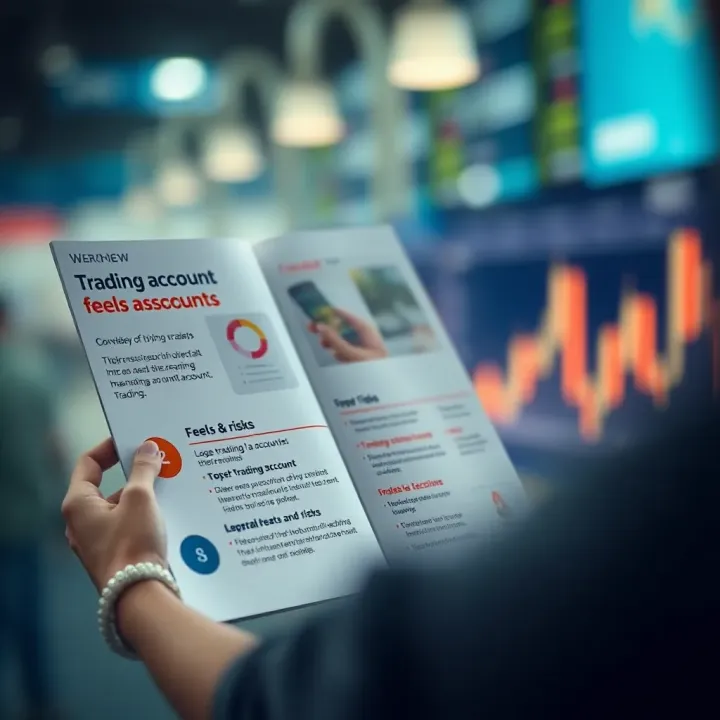
When you’re setting up your account, expect to provide identification documents and financial information. Brokerages use this to comply with regulations like the Securities and Exchange Commission (SEC) and to match your investment profile. For instance, a trader with a high tolerance for risk might qualify for margin accounts allowing borrowed funds, but this comes with added responsibilities.
Keep in mind: Margin trading can magnify gains and losses. Never risk more than you can afford to lose.
Different trading accounts come with different costs and benefits. Common fees include:
Commissions: Charges per trade, though many firms now offer commission-free options on stocks.
Spread: Particularly relevant in forex trading, this is the difference between buying and selling prices.
Account maintenance fees: Some accounts have inactivity or monthly fees.
Understanding these costs upfront can save you unexpected surprises.
Managing your trading account effectively means monitoring your portfolio regularly, keeping an eye on market movements, and knowing when to adjust your positions. Many brokerages provide tools like real-time quotes, charts, and news feeds to support your decisions.
Bottom line: a trading account isn’t just a tool; it’s a critical part of your investment strategy. Choosing the right one requires balancing your trading goals, risk appetite, and cost considerations. Whether you’re planning to trade $10,000 occasionally or handle $1 million daily, the right setup makes all the difference.
A trading account is your gateway to buying and selling financial assets like stocks, bonds, or currencies. It acts as a dedicated platform where you can execute trades, manage funds, and track your investments. Without it, you can't participate in the markets directly. Let's break down why it matters and what goes into using one.
Think of a trading account as a specialized bank account that actually lets you invest. Instead of just holding cash, this account holds your securities and provides access to the markets. For example, if you want to buy Apple shares, you need a trading account to place that order and hold those stocks afterward. It’s the core tool for anyone actively trading or investing.
People often mix these terms, but they’re not exactly the same. A brokerage account is a broader category — it’s a general account with a brokerage firm that might include cash management features or retirement planning. A trading account specifically focuses on executing trades and holding assets. In practical terms, your trading account sits inside or alongside your brokerage account, designed for frequent buying and selling.
Most trading accounts grant you access to multiple markets, such as U.S. stocks, ETFs, options, and sometimes even forex or futures. For instance, if you’re interested in tech stocks on NASDAQ or commodities like gold futures, your trading account is where you place those orders. This variety offers flexibility, allowing you to diversify your portfolio and seize opportunities across sectors.
Your trading account isn’t just about buying at market price; it offers several order types. You can set limit orders to buy or sell at a specific price, stop-loss orders to limit potential losses, or market orders for immediate execution. Suppose you want to buy Tesla shares but only if the price falls to $700—you'd place a limit order through your trading account. These options give you control over how, when, and at what price trades happen.
One big plus with modern trading accounts is real-time monitoring. You can see your positions, available cash, margin status, and unrealized gains or losses instantly—often through desktop and mobile apps. Imagine you’re watching the market and need to act fast; having up-to-the-second data helps you make quick decisions and manage risk effectively.
A well-set-up trading account not only gives you market access but also tools to navigate the fast-moving trading environment with confidence.
Understanding these fundamentals helps traders and investors make smart choices about where and how they handle their capital.
Choosing the right type of trading account is key to matching your investment style, goals, and risk tolerance. Different accounts come with varied features, ownership options, and trading capabilities, so understanding the options helps you avoid surprises later.
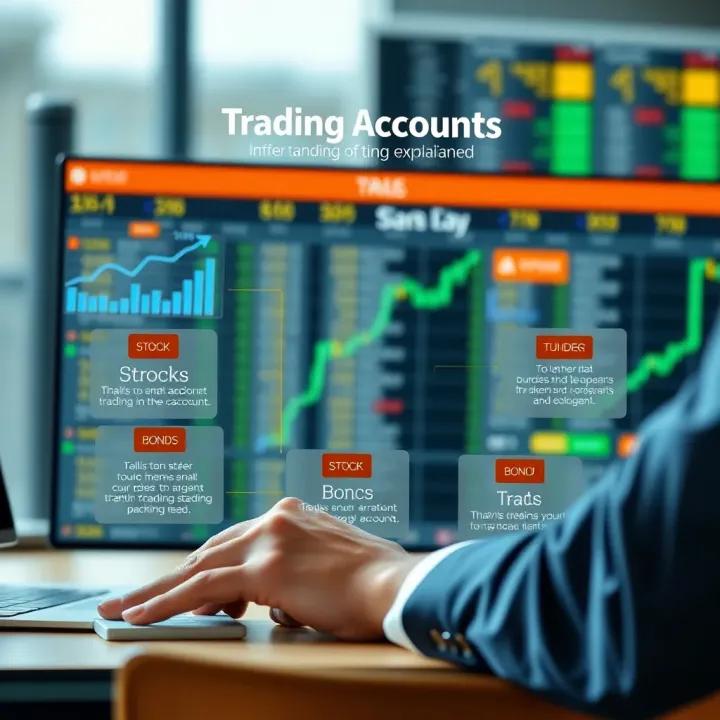
Individual accounts are straightforward, owned and controlled by one person, which means you have sole authority over decisions and access. This setup keeps taxes simple and doesn’t require coordination with others. However, it offers no protection or continuity if something happens to the account owner.
Joint accounts allow two or more people to share ownership and manage trading activity together. They can be useful for spouses, business partners, or parents managing funds for minors. Joint accounts often have rights of survivorship, meaning if one owner passes away, the other(s) retain control without going through probate. On the flip side, joint accounts may complicate tax filings and require clear agreements to avoid conflicts.
Account ownership and legal considerations include understanding who can trade, withdraw funds, and be held responsible for tax reporting. For joint accounts, everyone involved usually receives statements and tax forms, which means transparency but also joint liability.
Cash accounts require you to pay the full amount for your trades upfront, making them simpler and less risky. You can only trade with money you actually have in the account.
Margin accounts let you borrow money from your broker to increase your buying power, which can amplify gains. Trading on margin requires maintaining a minimum balance (margin requirement) and paying interest on borrowed funds.
Trading on margin can be tempting, but it's essential to fully understand the risks and keep an eye on margin calls, which happen if your account value drops too low.
The risks of margin trading include magnifying losses, which can exceed your initial investment. However, the benefit lies in increased flexibility and potential for higher returns when the market moves in your favor. Margin accounts also open access to advanced trading strategies, like short selling.
Certain accounts are tailored to active traders, like day traders, who need quick execution and tools for managing many trades daily. These accounts may come with higher minimum balances and specific pattern day trading rules enforced by the SEC.
Options and futures accounts require approval due to the higher risks and complexities of those markets. Brokers assess your experience before granting access to these products.
Retirement accounts, such as IRAs or Roth IRAs, provide tax advantages for long-term investing but come with contribution limits and withdrawal rules. These accounts aren't designed for active trading but offer a structured way to save for retirement while managing tax liabilities.
Understanding which account type fits your trading style helps you optimize your strategy and comply with regulations.
Selecting the right trading account boils down to your ownership preferences, risk appetite, and trading goals. Whether you prefer the simplicity of a cash account or the leverage of margin trading, or whether individual or joint ownership suits you better, being informed upfront leads to smoother trading experiences.
Opening a trading account marks your first concrete step into the world of investing and trading. It’s not just about signing up; choosing the right broker, providing the necessary documents, and setting up your trading platform all shape your experience and potential success. Getting these steps right helps you avoid surprises like high fees, unreliable platforms, or delays that could cost you money.
Evaluating brokers’ fees and reliability matters more than most beginners realize. Brokers vary widely in commissions, spreads, and account maintenance fees. For example, some online brokers like TD Ameritrade or E*TRADE offer commission-free stock trades, while others still charge per trade. Beyond costs, consider reliability: Is the broker regulated by the SEC? Does it have a strong track record for uptime and security? These factors impact how smoothly your trades execute and how safe your funds are.
Matching account features to your goals means picking an account that suits your trading style. If you want to day trade, look for platforms that support high-frequency trading with features like margin accounts or extended hours. If you’re investing for retirement, options with tax advantages like IRAs should be top of mind. For example, Fidelity offers IRAs with no account minimums, appealing to long-term investors. Aligning the account type with your goals improves your chances to meet them without unnecessary complications.
Identification and financial information are standard hurdles when opening accounts but also crucial for security and compliance. Brokers require a photo ID (like a driver’s license) and Social Security number for identity verification and tax reporting. Additionally, expect to answer questions about your income and investing experience—this helps brokers assess what products fit your profile and comply with regulations (like FINRA rules).
Approval timelines and funding your account vary by broker and can affect when you start trading. Some, like Robinhood, approve accounts within minutes, allowing you to fund with a bank transfer that clears in 1-3 business days. Others may take longer if they require manual reviews. Knowing your broker’s funding options—ACH transfers, wire transfers, or check deposits—helps you plan cash flow and avoid missing market opportunities.
Software options and mobile access shape how and where you trade. Most brokers offer web-based platforms plus mobile apps. For example, Interactive Brokers provides a robust desktop platform for active traders, while Charles Schwab’s mobile app suits casual investors. Choosing software that fits your comfort and trading frequency is key; some traders prefer advanced charting tools, others prioritize ease of use on smartphones.
Customizing alerts and order preferences lets you stay on top without staring at screens all day. Alerts can notify you of price movements, margin calls, or news affecting your holdings. Setting up order types—like stop-loss or limit orders—helps manage risks automatically. For instance, if you own stock in Apple, you might set a stop-loss at 10% below purchase price to limit potential losses without manual intervention.
Choosing and setting up your trading account carefully gives you a competitive edge, smooths your trading experience, and protects your investments from avoidable pitfalls.
By understanding these key steps and considerations, you’re better equipped to navigate account setup efficiently and with confidence.
Trading isn’t just about making smart buys and sells—it’s also about understanding the costs that come with owning and operating a trading account. These expenses can seem small individually, but they add up quickly and impact your bottom line. Knowing where these fees fit in helps you plan better and avoid surprises.
Brokers typically charge commissions when you place trades, but the way they do it varies a lot. Some brokers have flat fees per trade—just like a $4.95 charge every time you buy or sell stocks. Others use a tiered system: the more trades you make, the lower the per-trade fee gets. Then, there are commission-free options popularized by platforms like Robinhood or Webull, which may seem attractive but could offset costs elsewhere.
These transaction costs directly affect how much you actually keep from your investments. For example, if you're day trading and you make 30 trades a week, a $5 commission per trade eats up $150 in fees alone. That might wipe out gains on smaller wins, pushing you to either trade bigger or more carefully. So, consider trading frequency and commission structures together to see what fits your strategy.
Some brokers charge fees just to keep your account open or if you don’t trade for a while. This can range from $25 to $100 annually. Others waive these fees if your account balance stays above a certain threshold, say $10,000. Firms like Fidelity and Charles Schwab are known to have minimal or no maintenance fees, making them attractive options for long-term investors.
To dodge unnecessary charges, keep an eye on your trading activity and account balance. Even a single trade during a billing cycle often resets inactivity fees. Another tip: if you’re planning a break from trading, see if your broker offers options to pause fees, or consider moving your account to a no-fee broker during that period.
If your trading account includes margin access, expect to pay interest on borrowed funds. Rates often range from around 7% to 10%, but they can climb higher with smaller loan amounts. Take a $10,000 margin loan as an example: at a 9% rate, that’s $900 in interest yearly if you carry the balance without paydown.
Understanding margin interest is key since it can quickly turn profitable trades into losses. Always calculate how much interest you’ll owe before borrowing and consider if the potential gains outweigh those costs.
Moving money out of your trading account might involve fees. Some brokers charge withdrawal fees after a certain number of free transfers per year, or for specific methods like wire transfers. These charges vary—a $25 wire fee isn’t unusual, while ACH transfers are often free.
Being aware of these fees can help you plan distributions or account transfers better. If you’re shifting to another brokerage or need cash fast, factor in these costs to avoid sudden hits. Pro tip: always review your brokerage’s fee schedule before initiating transfers to save money and avoid delays.
The bottom line is this: costs and fees, although sometimes overlooked, play a huge role in your trading success. Knowing what to expect keeps your investments on track and your wallet happy.
Managing risks is a key part of trading, helping you protect your capital while maximizing potential returns. It’s not just about avoiding losses but also about setting up clear strategies and safeguards that keep trading activities on track. Understanding market risks and adopting solid best practices can help you trade smarter, reduce emotional decisions, and stay in the game longer.
Volatility and leverage risks play a huge role in how your trading account behaves. Markets can swing dramatically due to economic news, geopolitical events, or unexpected developments. For example, a stock might drop 10% in a single day after earnings miss expectations. Leverage, which lets you control more assets than you own through margin, can amplify both gains and losses. Using 2:1 leverage means a 5% drop wipes out 10% of your account, so it's easy to see why understanding and managing leverage is critical.
Protecting yourself against fraud and errors is equally important. Mistakes can happen, such as entering a wrong ticker symbol or the broker’s system glitching, and scams remain a threat. For instance, phishing emails pretending to be from your broker can trick you into revealing passwords. Being cautious, regularly reviewing account statements, and using two-factor authentication helps reduce these risks. It’s about staying alert and making your account a tough target for fraudsters.
Using stop-loss orders is one of the simplest but most effective risk controls. They automatically sell a position once it hits a certain price, limiting losses without needing constant monitoring. Say you buy a stock at $50 and set a stop loss at $45. If the price plunges, you exit before losing more. This prevents emotions from pushing you to hold onto a sinking trade, something many traders struggle with.
Regular account review and adjustment are vital to keep your strategies aligned with goals and market conditions. Markets change, and so might your risk tolerance or financial situation. Reviewing your trades monthly or quarterly can reveal weak spots or areas to improve. For example, if you notice repeated losses in high-volatility stocks, you might reduce exposure there or try more conservative investments.
Properly managing your trading account means staying on top of tax reporting requirements. The IRS expects you to report earnings accurately from trades, including short-term gains taxed as ordinary income and long-term gains with favorable rates. Brokers provide forms like the 1099-B, but you need to track your transactions clearly. Keeping detailed records makes tax season less stressful and helps avoid costly mistakes.
Finally, staying updated on regulatory changes matters more than ever. The SEC, FINRA, and IRS occasionally introduce new rules that affect how accounts operate and reporting standards. For example, updates to wash sale rules or pattern day trading thresholds could impact your strategy or tax obligations. Subscribing to broker alerts, following official regulatory announcements, or consulting a financial advisor keeps you informed and compliant.
Bottom line: managing risks and following best practices is not optional for traders. It’s what separates consistent participants from those who face unexpected setbacks. Having clear plans, safeguards, and staying informed protects your money and sets you up for smarter trading decisions.
📊 Understand synthetics trading in South Africa: how synthetic assets work, key platforms, risks, and regulations for smarter investing decisions.
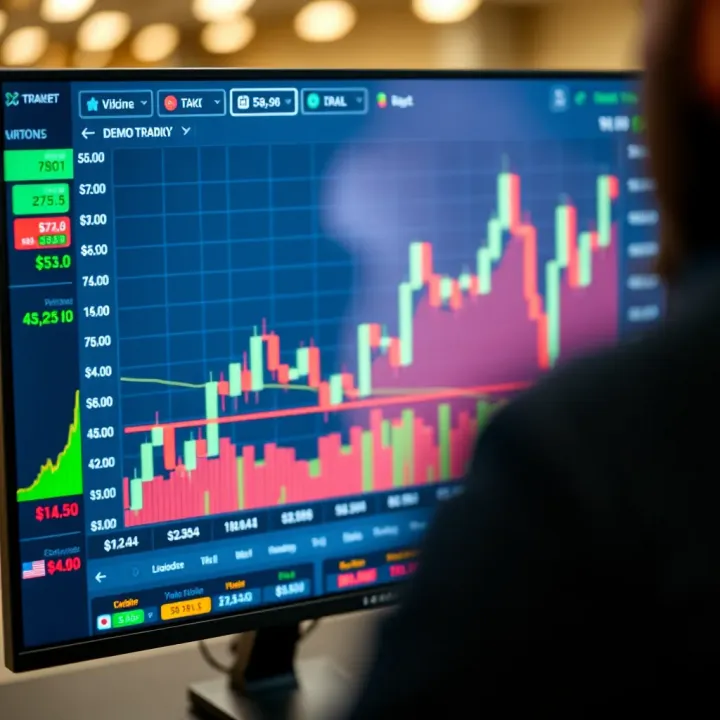
🔍 Learn how demo trading lets you practise in live-like markets without risking Rands. Gain skills, spot pitfalls, and boost your confidence before real trading starts!

Explore Quotex in detail 📊—features, benefits, setup tips, risks, and strategies for South African traders aiming to trade smarter and safer online.
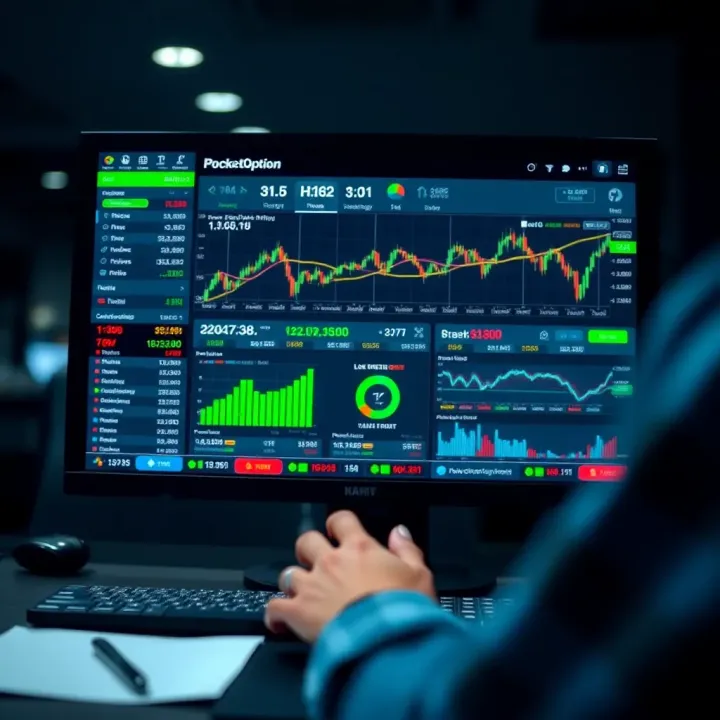
Explore PocketOption's trusted trading platform🌍 in South Africa. Learn features, account types, instruments, risk tools & quick start tips for smarter trades💹
Based on 5 reviews